Play therapy — Key Stage 1
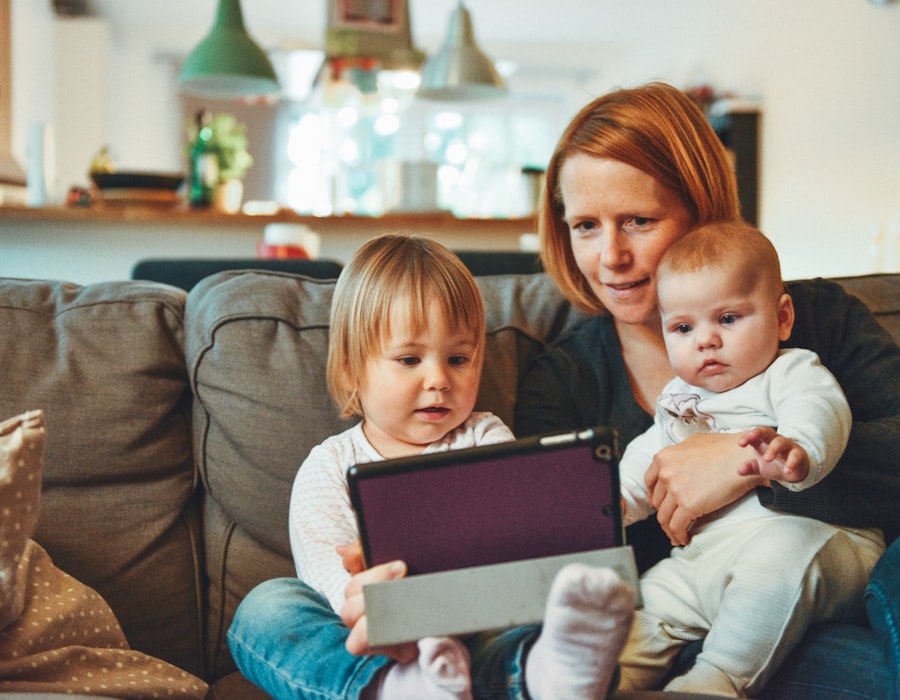
In Key Stage 1, children can struggle with big emotions, anxiety, low confidence, difficulties with friendships, or challenges in focus and learning. Play therapy offers a safe and creative way for them to express feelings, build resilience, and develop social and emotional skills — all through play. It helps children make sense of their world, grow in confidence, and thrive both in and out of the classroom.
Key Stage 2
In Key Stage 2, children often face growing pressures — from academic demands and friendship changes to rising anxiety, low self-esteem, or difficulties managing big emotions. At this stage, special educational needs can also become more prominent, with challenges around focus, organisation, or learning differences coming to the surface.
Through a blend of play therapy, talking therapy, and psychoeducation, I help children better understand their feelings, build coping skills, and develop confidence in themselves.
Key Stage 3 and beyond
In Key Stage 3 and beyond, the transition to adolescence brings new pressures. Hormonal changes, social media, shifting friendships, and more complex family relationships can all impact a young person's wellbeing. Academic demands also increase, and for some, underlying SEN may become more prominent.
Using a combination of talking therapy, creative therapies, and psychoeducation, I support young people in making sense of their experiences, building resilience, and developing healthier ways to cope with stress, relationships, and self-image.